We would like you, the "Pet parent", to know a list of Plants that are Poisonous to your fur babies. Most pets like to chew on anything and Veterinarians have found many unusual objects in fur babies' stomachs/intestines, plant life is one of the culprits to cause intestinal blockage.
Many pet parents dismiss the potential dangers of ingesting certain greens. Some pet parents say, "A little grass didn't hurt anybody. It's like a light salad for Fido and Kitty.". (I know this because, my parents are from the old country and believe it's like a deworming method; Which mind you, is an old wives' tale.) Truth is, if they graze from the lawn; your fur baby can get a stomach ache, vomiting, diarrhea and catch a parasite.Grass blades can even cut down the Esophagus (throat) and irritate it as well. NOT to mention the chemically treated grass, that suburban living requires; which can cause more organ damage to your pets.
Click on Poisonous Plants | petMD and Educate yourself about the potential dangers in household plants and other ordinary outdoor plants. If you believe or see evidence that your fur baby have ingested these plants and is not acting right, During our working hours 8a-7p Monday-Friday and Saturdays 8:30a-2:00p, Please call 201-814-0095 or call Pet Poison Helpline at 1-855-213-6680. Our staff will Be here for you and your fur baby.
Here at the Ridgefield Park Animal Hospital we like to supply you with the best supplies for your pets' health. We have the best vitamin supplements, Anti-flea and tick topical medication(from different brands), tooth brushes, tooth pastes(different flavors), top dog food and top cat food.
VITAMIN SUPPLEMENTS: these listed in the bellow is great for your pets' coat, skin and aging process.
Nordic Naturals
EiscosaDerm
Welactin
Aller G-3
TOPICAL MEDICATION: Flea, Tick and Mosquito prevention
Frontline Plus (for different weight class in dogs and cats)
Vectra 3D (for different weight class in dogs and cats)
Advantix II (for dogs only and dosage is measured by weight)
Advantage II (for cats only and dosage measured by weight)
ORAL HEALTH: listed below is products the help promote oral health in your pet.
Tooth Brushes
Tooth pastes (different flavors)
Dental chews (different sizes per breed, different brands, and different styles/shapes)
Oral Gels (slows down tartar build up and promotes gum health)
We have a new special! Take a full advantage of our specials! Do not hesitate! You can call us and make an appointment.
Canine Spay Promo:(for female dogs)
The Canine Spay Promo includes IV & Catheter, fluids, EKG and a shot of antibiotics.
Weight class is what makes the difference in prices.
Weight Class
Prices
Less than 25lbs
$300.00
26-40lbs
$325.00
41-50lbs
$345.00
51-70lbs
$365.00
71-85lbs
$380.00
Canine Neuter Promo:(for male dogs)
The Canine Spay Promo includes IV & Catheter, fluids, EKG and a shot of
antibiotics. Weight class us what makes the difference in prices.
Weight Class
Prices
Less than 25lbs
$265.00
26-40lbs
$275.00
41-55lbs
$285.00
56-85lbs
$295.00
86-109lbs
$315.00
Feline Spay Promo: (for female cats)
The Feline Spay Promo includes IV & Catheter, fluids, EKG and a shot of antibiotics.
$275.00
Feline Neuter Promo:(for male cats)
The Feline Neuter Promo includes IV & Catheter, fluids, EKG and a shot of antibiotics.
$135.00
If your Pet weight doesn't fit in our "pre"categorized weight classes above, please call us at 201-814-0095 for more information.
Ferret care and pet clean up! Different dog/cat bowls and style. puppy pads & more
Food for all types of feline and canine age ranges!
Please don't miss out! Come by our Hospital and just shop for you pet needs!!! We are located at 199 Main Street, Ridgefield Park, New Jersey 07660.
We are open Monday thru Friday from 9:00am-7:00pm and on Saturdays 9:00am-2:00pm!
Call us at 201-814-0095 if you wish to know more information!
We are matching prices to all online prices. Just make sure to bring in a screenshot of the price of your desired product and we will match it.
Need topical anti-flea, anti-tick, anti-mosquitoes, anti- biting&sand flies, anti-biting&sucking lice or do you need just heart worm medication?
We have many brands like Vectra 3D (a shield against pests).
And Iverhart Plus for heart worm prevention.
Our offer is:
10% OFF each
Vectra 3D
IverHart Plus
If you have any questions, please feel free to call us at 201-814-0095. our hours are 9am-7pm Monday thru Friday and on Saturdays 9am-2pm. We will be happy to give you more information or schedule an appointment.
Our winter special, like all good things much come to an end. We are just reminding our fellow clients and viewer who are putting this offer off to hurry and make an appointment.
The Winter Special Offers:
Dental Scaling/Polish Promo
-Including EKG, Prep-up and Antibiotics for a week
-1st payment of $100.00 then 4 monthly payments of $50.00
Canine Spay/Neuter Promo
-Includes EKG, Prep-up, Antibiotic injection and E-collar.
-Less than 50 lbs of weight 1st payment of $100.00 then 4 monthly payments of $50.00.
-More than 50 lbs of weight 1st payment of $100.00 then 5 monthly payments of $50.00. (if your female is in heat it's another $100.00 more)
Feline Spay/Neuter Promo
-Includes EKG, Prep up, Antibiotics injection and E-collar
-3 monthly payments of $80.00 for feline spay
-3 monthly payments of $50.00 for feline neuter (if your female is in heat it's another $100.00 more)
Please don't let a special like this slip through your fingers!! Call us and make an appointment with this number 201-814-0095
Let's say you just brought home a new puppy and discovered that your cute, cuddly ball of fur likes jumping up on guests and chewing on the furniture.
What do you do now?
Start training your puppy as soon as you get him. Simple obedience commands are the very first things to teach.
Who's the boss?
The most important lesson to cover is that you are the boss, so your new puppy will take direction from you. As pack animals, dogs naturally attempt to assume a leadership position. Your family is puppy's new pack, and you must quickly establish yourself as leader by being firm, consistent and clear in your communications.
It is very important to teach your dog, the "come" command, both for his own safety and yours. Use the leash method.
Begin by putting a collar on your puppy. Once he's used to wearing, attach a leash and standing several feet away, say "come", and gently pull him toward you.
As he reaches you, praise him. Puppies have short attention spans, so make is fun for him by keeping each session down to a few minutes. Do not repeat yourself or raise your voice. Soon your puppy will associate the word with the action. Then, you can begin practicing without a leash.
Sit and down commands
Teaching your dog early to sit and then lie-down are also very important. Both of these commands place your dog in a submissive position, and can be used to settle your dog if he is acting up.
you can also make a game out of encouraging your puppy o pick up his toys. Praise him for it, then each him "drop it." When first playing this game with him, be sure to keep your valuables out of reach until he learns which are his toys. Practice object exchanges, where the puppy trades you something he has for something you've got. Your pup will soon be adept at bringing you things and dropping them on command.
If your dog is playing too roughly in the house, interrupt him and send him outside to play. That way he'll learn that outside is the place for running and playing- not near the cabinet full of family heirlooms.
Guidelines for success
successful dog training relies on positive reinforcement and establishing yourself early as the leader. Remember these golden rules for a puppy training:
Start training as early as possible.
Practice patience.
Be consistent.
Be firm.
Give your puppy lots of opportunities to succeed.
Limit the opportunity for making mistakes and stop your pup if he does.
Always reward good behavior with words of praise, hugs and treats.
Practice more patience.
While there are many good books available on puppy training, most experts agree that one of the best ways to get started is by joining a group class. it's great way to socialize your pup, while you, that handler, learn the correct ways to teach, reward and correct him.
The staff here at the Ridgefield Park Animal Hospital advice our new puppy pet parents to train in a early age. Training creates a special bond between puppy and owner. We have a dog trainer in our staff and you can call her at 201-456-9289 and her name is Donna Huppert.Donna has her own website, donnasdogma.com; she is a certified Master Dog Trainer in the State of New York
What is inflammatory bowel disease? Inflammatory Bowel Disease (IBD) is a chronic disease of the intestinal tract. Occasionally, the stomach may be involved. Most dogs with IBD have a history of recurrent or chronic vomiting and/or diarrhea. During periods of vomiting or diarrhea, the dog may lose weight but is normal otherwise.
What causes this disease?
The cause if IBD is poorly understood. In fact, it appears there are several causes. Whatever the causes, the end result is that the lining of the intestine is invaded by inflammatory cells. An allergic-type response then occurs within the intestinal tract. This inflammation interferes with the ability to digest and absorb nutrients.
for some dogs, diet plays a role in causing IBD. Bacterial proteins may be involved in other cases. in most instances, an underlying cause cannot be identified.
How is IBD diagnosed?
Diagnostic tests for IBD range from fecal evaluations to blood tests to intestinal Biopsies. Depending on the results, special diets may then be tried depending on which part of the bowel appears to be involved. These diets include hypoallergenic foods, low residue diets or high fiber diets. In addition, if it appears from the blood tests that bacterial overgrowth is present, several medications may be administered.
Is IBD treatable?
When a diagnosis is IBD is made, the dog is placed on a hypoallergenic, low residue or high fiber diet for eight to twelve weeks. If the dietary trial does not result in improvement, medication may be used to control the problem. Since not all dogs respond to the same medication, a series of drugs may be necessary.
What is the prognosis?
Once the appropriate drugs or diet determined, many dogs remain on these for life, although dosages of the drugs may eventually be decreased. Occasionally, a dog will be able to stop drug therapy in the future. Most dogs do well for many years while others require alterations in therapy every few months. Unfortunately, a few dogs will fail to respond to treatment. Some severe forms of canine inflammatory bowel disease will eventually progress to intestinal cancer. This findings is well documented in human beings and, in recent years, it has also been shown to occur in dogs.
If you guys any other questions we will be glad to give you guys more information. If you live in the area you can call us and make an appointment 201-814-0095 we are here for you and your Best Furry Friend (BFF.
The anal sacs are located on either side of the anus just under the skin at the four o'clock and eight o'clock positions. They connect to the anus by means of small canals called ducts. Anal sacs produce and store a dark, foul smelling fluid. These are the same types of organs that a skunk has to scare away its enemies and mark its territory. Although cats can use their anal sacs for the same purpose, most domestic cats have no need to mark territory or repel predators. A small amount of anal fluid is usually squeezed out by muscular contractions whenever the cat passes a bowel movement. What diseases occur in the anal sac?
There are three diseases that occur in the anal sacs.
when the fluid becomes thick and solidified, the condition is called anal sac impaction.
when bacteria grow in this material producing yellow or bloody pus, the condition is called anal sac infection.
when the infection gets trapped within the sac, often because the duct has become obstructed, it will create a hot, tender swelling, leading to condition called an anal sac abscess. The pressure in the sac builds up until eventually the skin over the sac breaks open, and the pus drains out, causing an anal sac rupture.
What are the clinical signs of anal sac disease?
Symptoms of anal sac disease most commonly include:
scooting or dragging the anal area along the ground.
Excessive licking under the tail.
Pain in the area of the anus.
a swollen area on either side of the anus.
bloody of sticky discharges on either side of the anus.
How are these diseases treated?
The treatment for impaction is to express the sacs and clean out the solidified material. For infection, the sacs must be expressed and antibiotics administered to kill the bacteria. If the sacs abscess, the abscess must be surgically drained and antibiotics administered.
How LikelyIs It For AnalSac Disease to occur again?
it is not very common for cats to have recurrent anal sac disease. However, some overweight cats will have a chronic anal sac problems. If a cat has several episodes of anal sac disease, the anal sacs can be removed surgically. Because these sacs are not necessary, there is no loss to the cat. It is the only way to permanently cure the problem. Are there any common surgical complications?
Surgery requires general anesthesia, which always carries some degree of risk, whether the patient is a cat or a person. However, modern anesthetics make this risk minimal for cats that are otherwise healthy.
some cats will experience lack of bowel control after the surgery. They may drop fecal balls as they walk. This occurs because the nerves that control the muscles surrounding the anus are located near the anal sacs and mat be damaged during surgery. In most cases, this is a temporary problem that will resolve a few days to a few weeks after surgery. Can anything elseHappen to anal sacs?
some cats are born with anal canals that do not close well. These cats are constant;y draining anal sac fluid, leaving a foul-smelling discharge wherever they have sat. This is a not outgrown, and the only effective treatment is surgical removal of the anal sacs.
If you suspect your cat is having one or two of the problems listed above with his or hers anal sacs and you live or are near the Bergen County area; make sure to make an appointment with us at the Ridgefield Park Animal Hospital! We are located at 199 Main Street, Ridgefield Park NJ., 07660 or just give us a call at (201)814-0095.
What is canine hemorrhagic gastroenteritis?
Hemorrhagic gastroenteritis (HGE) is an acute disorder of dogs characterized by vomiting and/or bloody diarrhea.
How is HGE diagnosed?
The diagnosis of HGE may be challenging and ultimately require biopsiesin persistent cases. Some possible causes of HGE include stomach or intestinal ulcers,trauma, gastrointestinal tumors or obstruction, foreign bodies, infectious diseases, (e.g parvovirus) and coagulation disorders. Evaluation usually requires a complete blood count, biochemical analysis of the blood, urinalysis, x-rays, coagulation tests,fecal evaluation, ultrasound or endoscopic examination of the gastrointestinal tract.
HGE is most common in small breed dogs. The packed cell volume or hematocrit is often above 60% in dogs with HGE. Most normal dogs have a hematocrit of 37-55%. The elevated hematocrit provides an important clue that the patient may have HGE.
What causes it?
The exact cause of HGE remains unknown.
How is it treated?
Dogs with HGE will appear severely ill and, if untreated, may die. in most cases, the disorder appears to run it's course in a few days if the dog is given appropriate supportive care. Intravenous fluid therapy provides the foundation of HGE therapy. Subcutaneous fluids (given under the skin) are not usually considered adequate to meet the significant fluid requirements of most dogs with HGE.
If intravenous fluid therapy is not given, the dog's red blood count will continue to elevate due to dehydration. In this situation, the dog is at risk for a potentially fatal clotting disorder called disseminated intravascular coagulation (DIC). Once DIC has begun, it is often irreversible and may result in death.
Additional therapy for HE may include antibiotics, anti-ulcer medications and corticosteroids.
DO NOT WAIT!
If you suspect that your dog has this or has any symptoms listed above. Waiting is the primary killers of family pets.
Call us at 201-814-0095 and make an appointment with us or just walk in at our location, 199 Main Street Ridgefield Park Animal Hospital, 07660. Our hours are Monday-Friday 9am-7pm and on Saturdays 9am-2pm
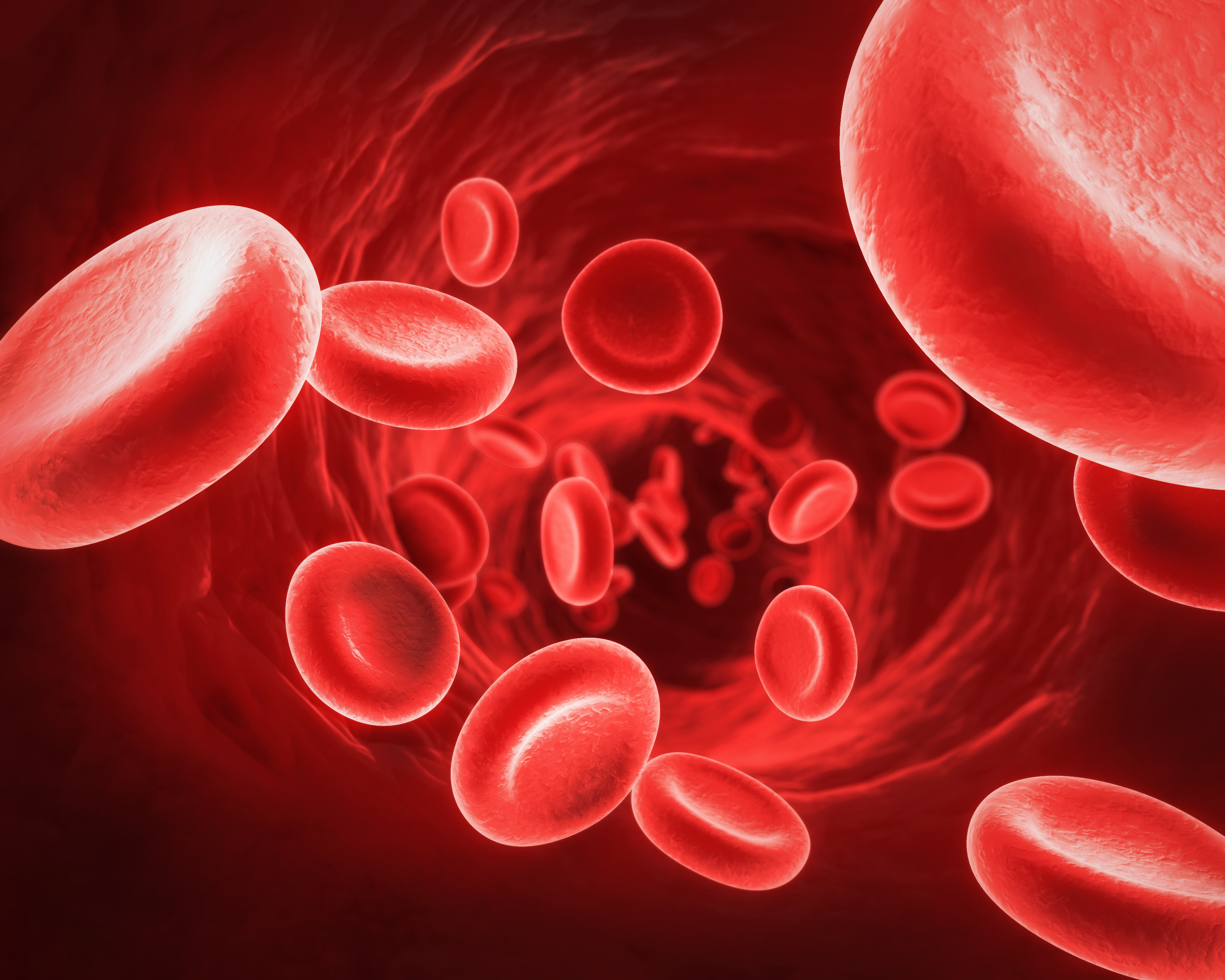
Blood tests help doctors determine causes of illness accurately, safely, and quickly and let us monitor the process of medical treatments. To help you understand your pet's test results, this guide explains common tests. A checkmark in any box indicates a significant abnormal finding on your pet's blood work. If you have questions, ask your staff member. We want you to understand our recommendations and be a partner to your pet's care.
Complete Blood Count (CBC)
This is the most common blood test performed on pets and people. A CBC gives information on hydration status, anemia, infection, the blood's clotting ability of the immune system to respond. This test is essential for pets with fevers, vomiting, diarrhea, weakness, pale gums, or loss of appetite. If your pet needs surgery, a CBC can detect bleeding disorders or other unseen abnormalities.
HCT (hematocrit) measures the percentage of red blood cells to detect anemia and dehydration.
Hb and MCHC (hemoglobin and mean corpuscular hemoglobin concentration) are the oxygen-carrying pigments of red blood cells.
WBC (White blood cell count) measures the body's immune cells. Increases or decreases indicate certain diseases or infections.
GRANS and L/M (granulocytes and lymphocytes/monocytes)are specific types of white blood cells.
EOS (eosinophils) are a specific type of white blood cells that may Indicate allergic or parasitic conditions.
PLT (platelet count) measure cells that form blood clots.
RETICS (reticulocytes) are immature red blood cells. High levels indicate regenerative anemia.
FIBR (fibrinogen) Is an important clotting factor. High levels indicate a dog is 30 to 40 days pregnant
Blood chemistries
These common blood serum tests evaluate organ function, electrolyte status, hormone levels, and more. They are important in evaluating older pets, pets with vomiting and diarrhea or toxin exposure, pets receiving long-term medications, and health before anesthesia.
ALB (albumin) Is a serum protein that helps evaluate hydration, hemorrhage, and intestinal, liver, and kidney disease.
ALKP (alkaline phosphates) elevations may indicates liver damage, Cushing's disease, and active active bone growth in young pets. this tests is especially significant in cats.
ALT (alanine aminotransferase) is a sensitive indicator of active liver damage but doesn't indicate the cause.
AMYL (amylase) elevations show pancreatitisor kidney disease.
AST (aspartate aminotransferase) increases may indicate liver, heart, or skeletal muscle damage.
BUN (blood urea nitrogen) indicates kidney function. An increased blod level is called azotemia and can be caused by kidney, liver, and heart disease, urethral obstruction,shock, and dehydration.
Ca(calcium) deviations can indicate a variety od diseases. Tumors, hyperparathyroidism, kidney disease, and low albumin are just a few of the conditions that alter serum calcium.
CHOL (cholesterol) is used to supplement diagnosis of hypothyoidism, liver disease, Cushing's disease, and diabetes mellitus.
CI(chloride) is an electrolyte often lost with vomiting and Addison's disease. Elevations often lost indicate dehydration.
Cortisol is a hormone that is measured in tests for Cushing's Disease (the low-dose dexamethansone suppression test) and Addison's disease (ACTH stimulations tests).
CREA (creatinine) reveals kidney function. This test helps distinguishing between kidney and non-kidney causes of elevated BUN.
GGT(gamma glutamyl transferase) is an enzyme that indicates liver disease or corticosteroid excess.
GLOB(globulin) is a blood protein that often increases with chronic inflammation and certain disease states.
GLU(glucose) is a blood sugar. Elevated levels may indicate diabetes mellitus. Low levels can cause collapse, seizures, or coma.
K(potassium) is an electrolyte lost with vomiting, diarrhea, or excessive urination. Increased levels may indicate kidney failure, Addison's disease, dehydration, and urethral obstruction. High levels can lead to cardiac arrest.
LIP(lipase) is an enzyme that may indicate pancreatitis.
Na(sodium) is an electrolyte lost with vomiting, diarrhea, and kidney and Addison's disease. This test helps indicate hydration status.
PHOS(phosphorus) elevations are often associated with kidney disease, hyperthyroidism and bleeding disorders.
TBIL(total bilirubin) elevations may indicate liver or hemolytic disease. This test helps identify bile duct problems and certain types of anemia.
TP(total protein) indicates hydration status and provides additional information about the liver, kidneys, and infectious diseases.
T4(thyroxine) is a thyroid hormone. Decreased levels often signal hypothroidism in dogs, while high levels indicate hyperthyroidism in cats.
Ridgefield Park Animal Hospital's technicians and veterinarians can help you understand your pets' blood work. We are passionate for our costumers and compassionate towards their animals and their feelings.
If you feel that your pet is not acting right, not feeling well or just plain curious on their health status; come by and make an appointment with us! We are located at 199 Main Street, Ridgefield Park NJ, 07660 or call and make an appointment with this number 201-814-0095.
Ferrets are obligate carnivores and require high quality animal protein. Feed a high quality ferret food.
Always have fresh water available.
Keep the litter box clean and use pelleted or non-clumping litter.
Give your Ferrets HARD tubing and HARD plastic toys for play.
House your Ferret in a wire cage, preferably 2-3 tiers, with some bedding, such as a snooze tube, carpet or hammock.
"Ferret-proof" your home. Remove any access to rubber items such as pipe insulation, shoe insoles, etc. Use a hard, non-chewable screen to cover things like the back of the refrigerator, stove, washer,etc.
Kits should be vaccinated for Canine Distemper and Rabies beginning at three months of age. Both vaccines should then be given annually ask your veterinarian to only use vaccines approved for ferrets.
Keep toenails trimmed and ears cleaned.
Bathe your Ferret with Ferret shampoo. Over-bathing can strip natural oils from the Ferrets' coat. Once every three months in sufficient.
Ferrets love to play and they bond quickly. Spend time with your Ferret Daily. The rewards are great!
Ten Ferret Don'ts
Do not feed Cat or Dog food. Stay away from chocolate (it's toxic), Dairy Products (they can cause blockage or diarrhea), sugar food snacks and fruit, (which can cause gas).
Avoid cat litters with baking soda, perfume, clay, or wood chips (especially cedar or pine). Fumes can cause respiratory problems and, as ferrets may roll in their litter while playing, the oils will adhere to their bodies and may be absorbed through their skin.
Please don't let your ferret live in an aquarium there is no ventilation.
Small children should never be left unsupervised with any ferret.
Do not allow your ferret to run loose in any room that has not been "ferret proofed" for safety.
never de-claw or de-fang a ferret.
Be sure your veterinarian does not give your ferret a combination shot (vaccine) as with other pets. This can cause an allergic reaction and death.
Stay away from toys that are made of the following: cloth, spongy material, soft rubber, plastic and latex. Ferrets have canine teeth and can shred any of these, which if ingested, may cause an intestinal blockage and can be fatal.
Do not hold a ferret by their tail. Hold them by the scruff of the neck.
NEVER abuse, neglect or ignore your ferret. Ferrets make wonderful pets. As a ferret owner, it is your responsibility to educate yourself in all aspects of ferret ownership.
Do Ferrets Require Shots?
Indeed they do! Ferrets require both rabies shot and distemper shots. As a ferret owner, it is your responsibility to provide the necessary vaccines your pet requires. Be wary of anyone that tells you one shot is good for the life of your ferret! Another important responsibility is to find a veterinarian that likes ferrets and has a good medical knowledge regarding treatment. This alone can give you peace of mind.
What Do Ferrets Eat?
Ferrets are carnivores, even more so than the cat. And, as a carnivore, they require meat as their primary protein source. We recommend a high protein, high fat, low carbohydrate diet.
Did You Know?
Ferrets are relatives of the European polecat and their technical name is Mustela Putorius Furo, They are believed to have been domesticated for over 2,000 years and were known to be favored by royalty.
What Are They?
A ferret is a mammal, small in size, with an average weight of 1-5 pounds. Their true genetic title is: Order Carnivora; GenusMustela; Family Mustelidae. What Do They Do?
Ferrets are very intelligent, industrious, inquisitive, and playful animals that will captivate you with their 'weasel war dance', their chatter and, quite frankly, with all of their own, individual, characteristics. Where Do They Live?
Ferrets live in a cage, in homes and apartments everywhere, sometimes with other house pets. They should not live out in the elements and should never be left to roam freely if no one is home! Most ferret owners have double or three-tiered cage. A larger cage allows one level for sleeping, one for eating or playing, and one for their litter box.
Do They Use A Litter Box?
They sure do! A ferret can be trained to use a litter box, much like a cat. Ferrets do not like 'dirty' boxes, and, as they do not cover their droppings, a clean box is a necessity.
Do They Make Good Pets?
You bet! Ferret owners are all ages. There are many advantages to owning a ferret-Just ask a ferret owner! They are curious, intelligent, cuddly, furry, companions that will win your heart. They bond quickly with their owner and other house pets.
Where Can I Learn About Them?
The best way to learn about ferrets is from ferret owners which give clear, factual information on such things as handling, grooming, behavior, litter training, and 'ferret proofing' your home or their play area, as well as other useful tips and information.
Reading sources include:
-"The Ferret: An Owner's Guide to a Happy, Healthy Pet,"by Debra Jeans.
Another excellent means of information is your local ferret club, rescue or shelter group. They can be found locally and, if it's not convenient to attend meetings, many offer excellent newsletters with health tips, medical information. We recommend you to start at www.totallyferret.com.
Do Ferrets Stink?
Ferrets have a musk odor that is not unpleasant. Whole, un-neutered males produce this scent for two reasons: attracting the opposite sex during mating and defensive purposes. Pet ferrets are neutered before you buy them from a pet shop or breeder, reducing their odor. Feeding foods that have little to no fish or fishmeal in them will also serve to reduce their odor. Totally Ferret is a great food to feed!
What About Other Pets?
All pets require supervision during an introductory period with other pets and with children. Ferrets are curious by nature and very playful. Just as large birds could be dangerous to the ferret, small birds or rodents may not be safe from your ferret.
What About Small Children?
Children who are not familiar with a pet should not be left unsupervised. Your ferret will naturally defend itself if it feels threatened. Poking fingers and/or objects will frighten any animal. Teach your children how to hold a ferret, gently, by the scruff of their neck or cradling the ferret. Limited, supervised, play periods are important in order to allow both the ferret and the child to feel comfortable with each other.
How Will I Know If a Ferret Has Been Spayed Or Neutered?
If you purchsed your ferret from a pet store you may see two blue dots on their ear. The first dot indicates that the ferret has been descented. The second dot tells you that the ferret has been spayed/neutered. If you get your ferret from a reputable breeder or a pet store, you can be assured it has been spayed/neutered. If you get your ferret from a shelter or rescue, the responsible person there is educated in providing you with this information, plus answering many other questions you may have.
If you are interested in having a ferret do your homework and look around. Here at the Ridgefield Park Animal Hospital, Dr. Paul Kim can be your primary health provider for your ferret. Call us up at 201-814-0095 and make an appointment! We are located at 199 Main street, Ridgefield Park New Jersey, 07660.
We love to hear our clients' feed back! Hearing feedback is one of the ways we can improve our services! You can write your reviews in different places on the world wide web, just type our name in your search bar, Ridgefield Park Animal Hospital! Look us up on different search engines on the inter web and write a review on your experience of our service! We aim to help and please you!
Including EKG, Prep-up and Antibiotics for a week!
1st payment of $100.00 then 4 monthly payments of $50.00!
Canine Spay/Neuter Promo
Includes EKG, Prep-up, Antibiotic Injection and E-collar!
Less than 50lbs weight 1st payment of $100.00 then 4 monthly payments of $50.00!
More than 50lbs of weight 1st payment of $100.00 then 5 monthly payments of $50.00!
Feline Spay/Neuter Promo
Includes EKG, Prep-up, Antibiotic injection and E-collar!
3 monthly payments of $60.00 for feline spay!
3 monthly payments of $50.00 for feline neuter!
If you are interested in our Winter Special, you can call us at 201-814-0095 and make an appointment. We are open Monday thru Friday 9am-7pm and on Saturday 9am-2pm!
Arthritis is a general term for abnormal changes in a joint. These changes occur when cartilage is worn away faster than it can be replaced. Cartilage acts as a cushion to protect the bones. When it wears away, joints become swollen and painful.
although arthritis is not curable, the good news is that nutrition, exercise, laser therapy, acupuncture, medication and surgery can help manage the disease; improve mobility and ease the pain. With the proper pain management and care from your veterinarian, your dog should be able to enjoy an active, healthy life for many years to come.
What causes arthritis?
Age: as pets get older, cartilage will begin to degenerate. Manu senior dogs suffer from arthritis to some degree.
Breed: Large breeds are more prone to arthritis. These include;
Labradors, Golden Retrievers, German Shepherds and Rottweilers.
Excess weight: Weight gain puts extra stress on the joints, which can lead to arthritis.
Accidents and Damage: Joints can deteriorate as a result or stress or trauma caused by an accident.
Congenital defects: some pets are born with conditions that make arthritis more likely in later life.
Infection: Occasionally, an infection can lead to the destruction of joint tissue and cartilage.
Does My Pet Have Arthritis?
If you dog has arthritis, the first thing you'll notice is that he or she finds movement difficult and is reluctant to walk, run and jump. Your dog may also yelp or flinch when touched in the affected area.
Arthritis makes it difficult to:
Rise from rest
Climb stairs
Play
Walk and run
Jump
Important
Some symptoms of arthritis are similar to those of other serious conditions. Make sure you consult your veterinarian if you notice any of these signs.
Here at the Ridgefield Park Animal Hospital we offer the best treatment for you arthritic or non-arthritic pet! Come in or make a call and make an appointment. we are located at 199 Main Street, Ridgefield Park New Jersey, 07660. Our Phone number is 201.814.0095 and we are open Monday-Friday 9am-7pm and on Saturdays 9am-2pm.
If so, they may be in need of some pain relief! Here are some treatment options:
Non-Steroidal Anti-inflammatories: This type of medication reduces inflammation and can be helpful for sudden painful conditions or long term pain. Blood work should be performed to see id it is suitable for your pet to be on these medications if a longer treatment is needed.
Omega 3 Fish Oils: This nutritional supplement can reduce pain with chronic conditions. Please discuss with your veterinarian if this is recommended for you pet. It is also important to choose a product that is purified and undergoes screening for potential toxins.
Adequan (polysulfated glycosaminoglycans): This injection can help with pain associated with arthritic conditions by supporting the health of cartilage present in joints. The treatment consists of series of injections for 4 weeks then as directed by your veterinarian.
Laser therapy: This treatment consists of light energy delivered noninvasively via a handpiece to the affected areas. It can habe multiple beneficial effects including decreasing inflammation and pain. it is used commonly for arthritis and back/neck pain. Typically a series of 5-6 treatments over a period of 2-3 weeks are recommended for the average case ad them as directed by your veterinarian.
Acupuncture and herbal formulas: This treatment has helped people and animals with many types of health conditions, including pain relief, for centuries. Its effectiveness has been clearly demonstrated in many scientific studies. It involves placing very then needled in particular points on the body for a period of time which is very well tolerated. Acupuncture and herbal therapy aims to achieve overall balance and wellness for your pet. Recommended treatment schedules depend on the condition being addressed and the severity of the issue.
Dr. Kim is an Veterinarian Orthopedic Surgeon. Dr. Yim is a Veterinarian Acupuncturist and works with herbal formulas for her patients. Our Veterinarian Technicians are trained to use the Ridgefield Park Animal Hospital laser therapy machine. We will be glad to help you and your pet to receive the best treatment we can provide. Please call 201.814.0095 and make an appointment with either Dr. Kim or Dr. Yim. Our hours are 9am-7pm Mon-Fri and Sat 9am-2pm.







 Labradors,
  Golden Retrievers,
  German Shepherds and
  Rottweilers.


